Comfort, Fit, and Noise Management
Gaming Headsets by Body Type: Glasses-Friendly Comfort
19th Feb•14 min read
Gaming headset material science and headset comfort engineering aren't marketing flourishes (they're the silent difference between a four-hour session that disappears and one that grinds to a halt after 90 minutes). The materials engineers choose for headbands, ear cups, drivers, and internal suspension systems directly determine whether you'll forget you're wearing the device or count the minutes until you can take it off. This deep dive answers the questions that separate durable, comfortable gear from the gear that ships with promises but delivers soreness.
A gaming headset isn't monolithic. Each structural component is optimized for different demands:
Headbands: The band bearing most of your head's weight typically combines a rigid spine with ergonomic padding. Stainless steel (like 301-grade) provides rugged strength and corrosion resistance for everyday wear[2]. Steel offers predictable durability but adds weight; lighter variants use reinforced plastic or aluminum. The padding underneath (often memory foam wrapped in breathable cloth) must balance pressure distribution with heat dissipation[2]. Poor material choice here creates pressure hot spots on the crown after 90 minutes.
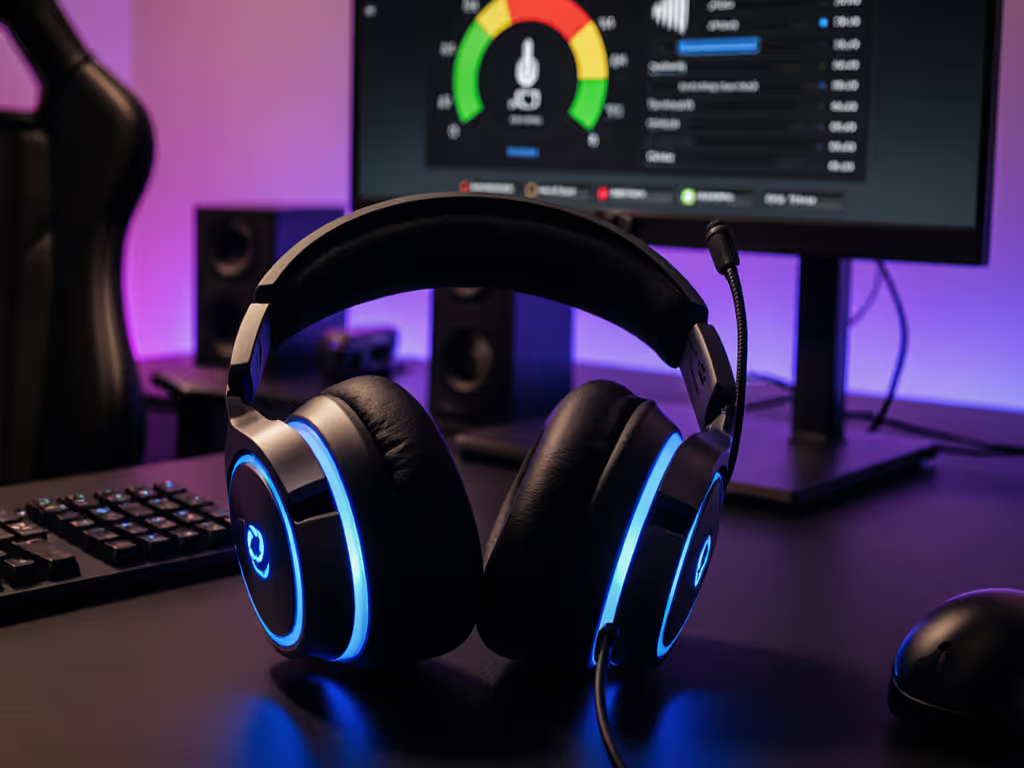
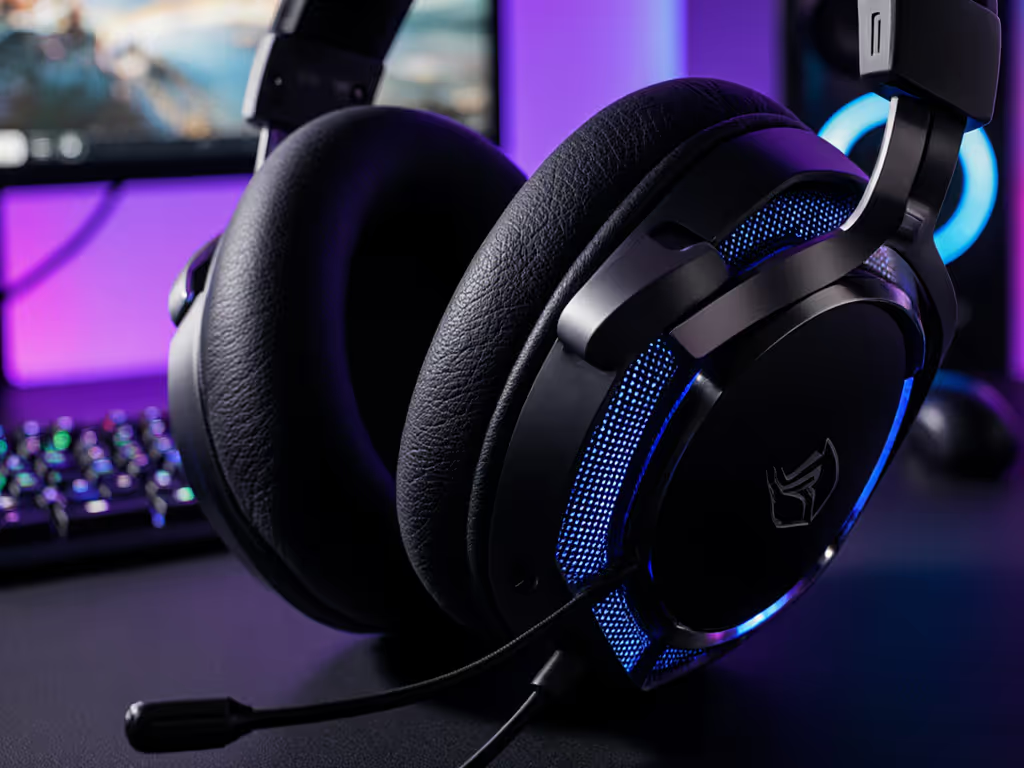
Ear Cups: Cups house the drivers and sit against your ears for hours. Memory-foam ear pads with leatherette or microfiber covers are standard because they compress to your ear shape while allowing airflow[2]. The problem: low-quality foam compacts quickly, losing cushioning within months. Premium variants use denser, slower-recovery foam to resist flattening[3].
Drivers: These are typically 40-50 mm planar or dynamic drivers[4][5]. Driver material (voice coil composition, magnet strength, diaphragm thickness) determines both sound fidelity and heat generation. Planar drivers run cooler and cleaner; dynamic drivers are smaller and cheaper but generate more heat under sustained use[5].
Microphone Boom: Unidirectional designs with careful material selection (usually rigid plastic with precision machining) ensure the mic captures your voice without picking up keyboard clatter or roommate noise[2]. The sensitivity and pickup pattern are tuned during engineering, not after[2].
Comfort isn't abstract: it's physics. When you wear a headset for 4-8+ hours, three material failures dominate:
Heat Buildup: Closed-back designs trap heat. If ear cups use non-breathable plastic or dense foam without ventilation, sweat accumulates, ear canals become uncomfortable, and focus slips. For a deeper look at enclosure trade-offs that impact heat and comfort, see our closed-back vs open-back guide. Breathable cloth linings on the underside of headbands[2] and permeable foam in cups mitigate this. Gaming sessions trigger different thermal loads than casual listening; a headset comfortable for 30 minutes may overheat by hour three.
Pressure Hot Spots: The headband's weight and clamp force distribute unevenly across a curved skull. Lightweight materials (advanced polymers, aluminum alloys) reduce absolute load[3]. However, even a light headset creates pain if the clamping force concentrates on narrow pressure points (temples, crown, or behind the ears). Memory foam with precise firmness tuning spreads pressure across larger contact areas[2]. Competitive gamers often wear headsets for six hours or more, and poor design causes fatigue and pressure points[1].
Structural Creep and Degradation: Over months, foam loses resilience, plastic hinges develop microfractures, and metal hinges loosen. Materials science (selecting impact-resistant plastics, stainless steel for hinges, and non-corrosive finish coatings) separates gear that lasts two years from gear that fails mid-season. Corrosion from sweat, dust accumulation in driver housing, and flex fatigue in the headband spine are material-level failure modes.
Stable comms are invisible; broken updates are loud and late.
The same rigor applies to firmware: if your headset's driver software patches destabilize sidetone or mic levels, otherwise excellent materials don't matter. Compare brand ecosystems in our headset companion apps guide to minimize update surprises. I once experienced a patch that nuked sidetone mid-raid, which taught me to map rollback paths and stage profiles in a firmware sandbox before committing to a stable chain. Material durability buys you time; software stability gives you peace of mind.
Serious headset makers stress-test materials against real-world conditions. Razer, for example, conducts extensive stress-testing with both professional and casual gamers across temperature, humidity, noise, and stress-level variability[2]. The goal: ensure comfort holds across different scenarios (in a cool office, a hot dorm, at sea level, and at altitude).
Material testing typically includes:
Manufacturers don't always publish these metrics publicly, but transparent brands (SteelSeries, Audeze, Astro) document comfort engineering as a design principle rather than an afterthought[3].
Budget headsets ($70-120) often use:
These choices reduce manufacturing cost but create thermal buildup and faster foam fatigue. Casual 1-2 hour sessions feel fine; marathon raids expose the limits.
Premium headsets ($200+) prioritize:
The mid-range sweet spot ($120-200) blends cost discipline with material science: aluminum headbands, mid-tier memory foam, and interchangeable pads. You trade some stainless steel durability for weight savings and afford replaceable components[3].
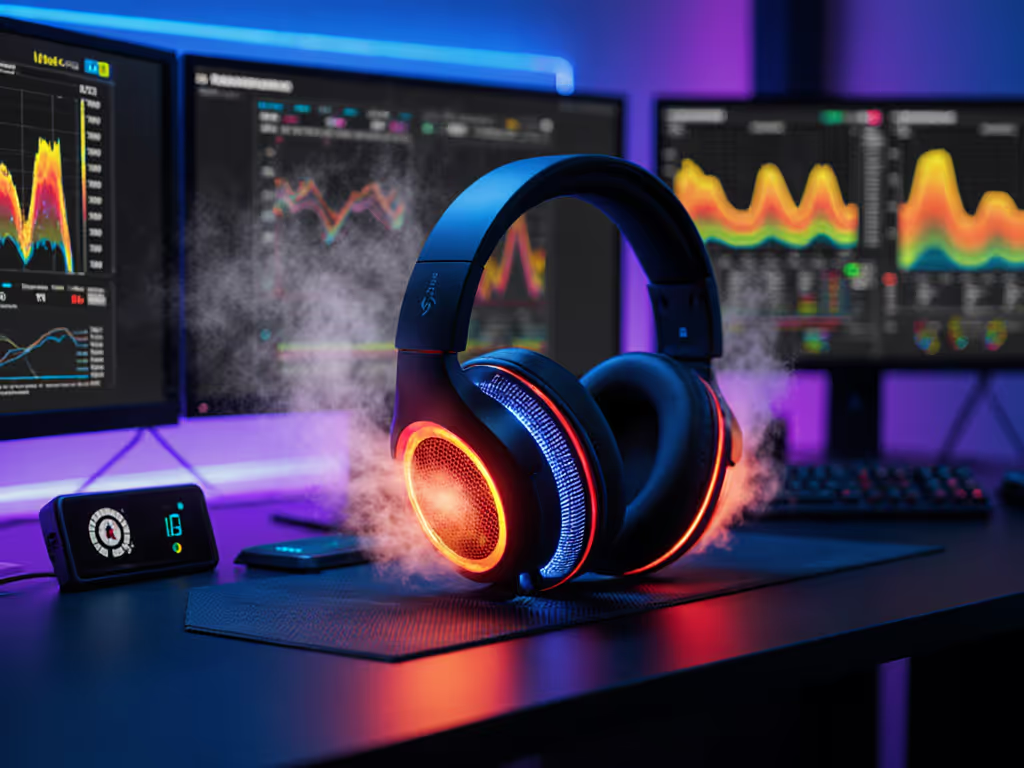
Heat doesn't just reduce comfort: it affects audio and mic performance. Drivers inside sealed cups generate their own thermal environment. If materials don't dissipate heat, the driver's voice coil resistance increases slightly, altering impedance and coloring the audio signature[1]. Microphone electronics (preamplifiers, noise-gate circuits) can drift in calibration if housed in sealed, hot enclosures.
Material choices that manage thermal load include:
On long sessions (6+ hours), a thermally optimized headset maintains consistent audio tuning and mic sensitivity; a poorly thermaled headset may sound duller and feel mushy by hour five.
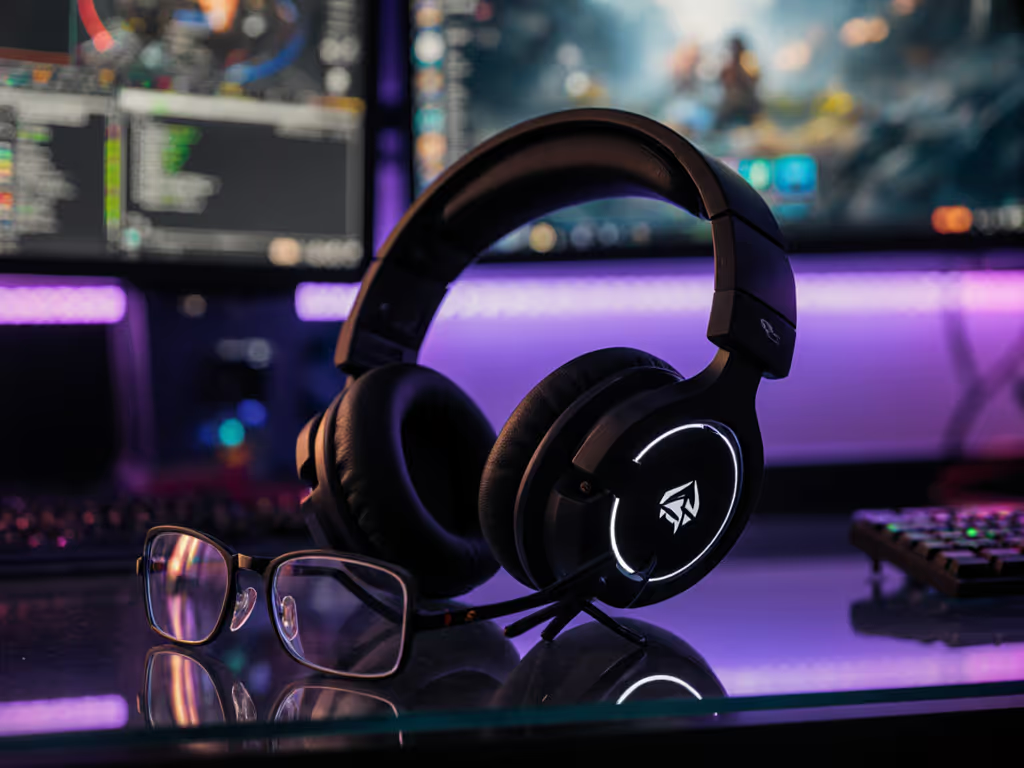
Material flexibility and geometry matter here. Rigid headbands accommodate fewer head sizes; those with articulated metal frames and soft, compressible foam adjust more gracefully. Glasses wearers experience specific pressure: the earpiece of the frame presses into the cup, creating a hot spot where glass or metal meets foam. Premium memory foam with high compression strength resists excessive flattening at that contact point; cheaper foam pancakes and shifts pressure to bone.
Some manufacturers design deeper or wider ear cups or off-axis padding specifically to reduce glasses-related pressure. Get personalized picks in our glasses-friendly comfort guide tailored to different head shapes and frame styles. Material choice (whether the padding is soft enough to yield without bottoming out against hard plastic) determines whether a headset is wearable for glasses wearers across multiple hours[2].
Moisture (sweat), dust, temperature cycling, and UV light degrade materials unevenly:
A durable headset uses corrosion-resistant metals, sealed driver housings with passive drainage, and material pairings that move together through thermal cycles.
Use a checklist:
Material science is the foundation; stability is the superstructure. Choose headsets with measurable comfort metrics and documented durability. Pay attention to replaceable parts (pads, cables, booms); they signal confidence in longevity. And before integrating new gear into your active setup, sandbox any firmware updates in an offline installer so a driver patch doesn't disrupt your callout chain mid-match. The boring details (knowing exactly which materials touch your ears, how heat flows, and what to expect over six months) turn a purchase risk into a predictable, frictionless tool that stays invisible until it fails, and then you already have a rollback path ready.